


Every January, technology magazines flood the market with sensational forecasts promising "game-changing" innovations. By February, many small business owners, juggling the realities of running a 15-person team aiming to boost revenue by 20%, are overwhelmed by buzzwords like AI, blockchain, and metaverse, struggling to discern what truly matters.
The reality is this: Most tech trends are marketing hype crafted to sell pricey consulting. Yet, hidden among the noise are a few authentic advancements poised to transform small business operations in 2026.
Let's sift through the clutter. Here are three key technology trends to focus on and two you can confidently set aside.
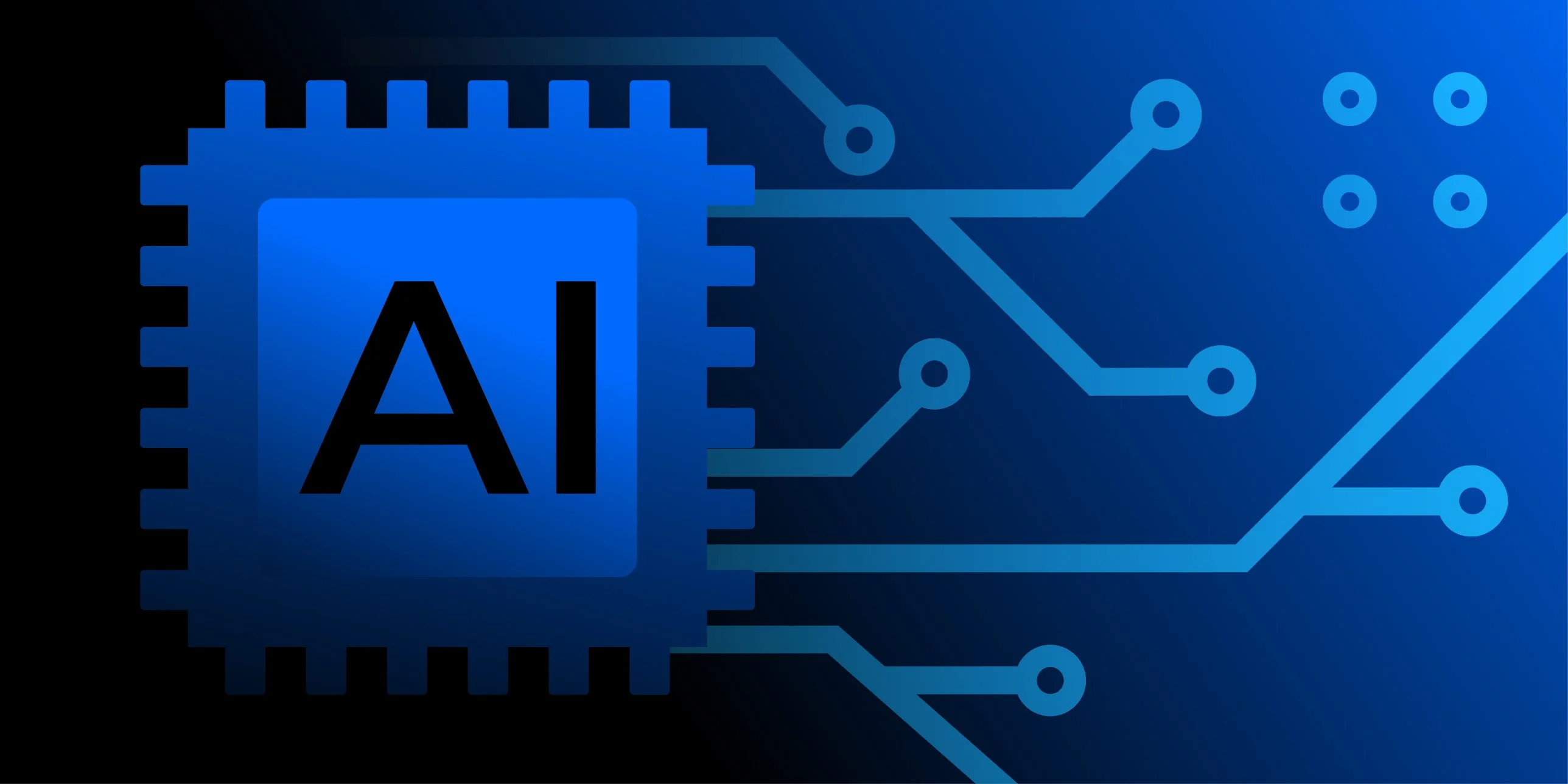
What this means for you: Unlike 2025, when AI felt like a standalone tool requiring separate steps open ChatGPT, input prompts, then manually transfer responses 2026 brings AI embedded directly into your daily software.
Your email will compose drafts; your CRM will generate personalized follow-ups; project management platforms will convert meeting notes into tasks automatically; accounting software will categorize expenses and detect irregularities without lifting a finger.
Concrete example: Microsoft Copilot is now integrated into Word, Excel, PowerPoint, and Outlook. Google Workspace offers comparable AI enhancements. QuickBooks introduces AI-driven transaction categorization and tax deduction suggestions. Slack utilizes AI to summarize lengthy chat threads.
Why this matters: You won't need to learn new tools. Instead, your existing software becomes smarter, lowering the barrier to adopting AI. Rather than debating "Should we adopt AI?", the question becomes "Which AI features should we enable?"
Action step: When your current software rolls out AI capabilities in 2026, actively test them. Use these features for two weeks before deciding if they shave time off your workload. While some might feel gimmicky, others can offer genuine productivity gains.
Time commitment: Minimal since you're already using these programs.
What this means for business: Gone are the days when automating workflows required expensive developers. Today's tools let you build automations and simple apps by just telling the system what you want in plain language.
Imagine this: Instead of mastering complex software or hiring help, you say, "When someone fills out my contact form, add their info to a spreadsheet, email a welcome message, and remind me to follow up in three days." The AI figures out the rest, you approve it, and it runs smoothly.
Real-world case: A small law firm automated client intake by having inquiries create case files, schedule their first meeting, and send necessary forms all without coding or steep learning. AI handled the build; the team tested and deployed the automation with ease.
Why it matters: Automation has shifted from an aspirational "we should do this" to a quick "we can have this set up in 20 minutes."
Next steps: Pick one routine task your team performs weekly. Use 2026's no-code automation tools to describe and build this process. Start small to test effectiveness.
Time investment: Roughly 20 to 30 minutes for setup, then enjoy ongoing efficiency.
What's changing: Cybersecurity used to be optional for small businesses good advice, but not mandatory. Now, new data privacy laws, industry standards, insurance mandates, and stricter enforcement are making security a legal and financial necessity.
This means in 2026, if your business experiences a breach without basic protections, you risk fines, lawsuits, and even personal liability not just a promise to improve.
Example in action: The SEC requires publicly traded companies to report cybersecurity incidents rapidly. State regulators are fining small enterprises for poor data security. Cyber insurers often deny claims if multifactor authentication isn't enabled.
Importance: Security is no longer optional best practice but an essential legal duty. Skipping basic protections is as risky as running a business without insurance.
Steps to take: In 2026, ensure you have these core safeguards in place:
Multifactor authentication for all business accounts
Regular, tested data backups
Clear, enforced cybersecurity policies
These measures are affordable, manageable, and increasingly expected by clients, partners, and regulators alike.
Time needed: About 2 to 3 hours to implement, then operate seamlessly in the background.
Why overlook this: Recall the buzz around Second Life or Facebook's rebranding to Meta with promises that VR would redefine work. Yet, after years, VR remains costly, uncomfortable for long sessions, and solves few real business problems.
Your team doesn't need to meet as digital avatars when a straightforward video call suffices.
Exception: If you work in fields like architecture, real estate, or design where visualizing 3D spaces is critical, VR holds value. For most others, it's unnecessary.
Recommended action: Do nothing for now. If VR becomes truly practical for mainstream business, you'll see competitors using it successfully. Until then, conserve resources.
Why you can hold off: There's periodic pressure to accept Bitcoin or other cryptocurrencies, claiming it's cutting-edge and customer-attracting. However, crypto payments bring volatility, tax complications, extra accounting hurdles, and often higher fees. Besides, few customers actually prefer paying this way.
Exception: If your business operates internationally where crypto simplifies cross-border exchanges, or if a significant portion of your clients requests crypto, consider integrating it. Otherwise, traditional payment methods dominate.
Advice: Politely decline crypto payments unless demand grows organically. Instead, focus on streamlining established payment channels for a seamless experience.
The most effective technology isn't the most flashy it solves your real challenges.
In 2026, prioritize AI enhancements in familiar tools, effortless automation, and robust security standards. Disregard metaverse hype and cryptocurrency payments unless your unique business scenario calls for them.
Need expert guidance to identify the 2026 tech trends that truly benefit your business? Click here or give us a call at (760) 388-2469 to book a free Discovery Call with our team. We'll look at your current setup and give you practical advice on what will actually help - no buzzwords, no unnecessary complexity.
The smartest technology trend is the one that simplifies your work instead of complicating it.