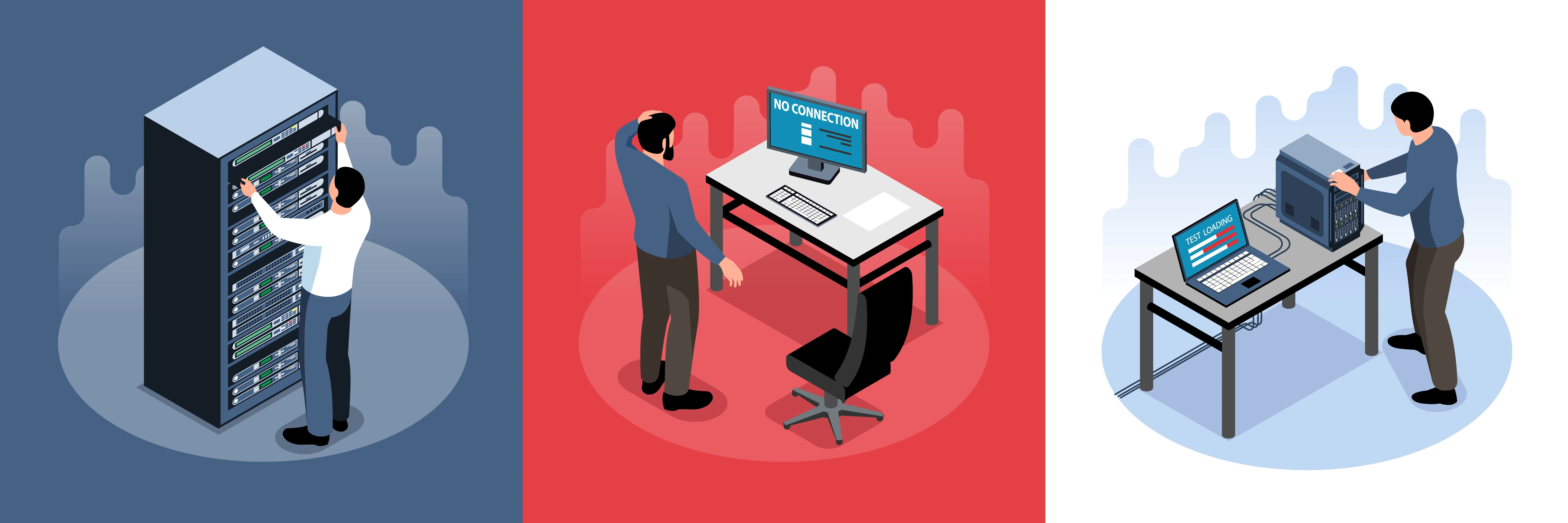


A biotech startup loses three days of research data because their backup system failed silently. A dental practice gets hit with a ransomware attack that locks every patient record. A mid-size healthcare clinic fails a HIPAA audit because nobody patched their servers in eight months. These aren't hypothetical scenarios: they happen constantly, and they share a common thread. Each organization either had no dedicated IT support or relied on a generalist who didn't understand the specific regulatory and operational demands of their industry.
The truth is, biotech labs, dental offices, and healthcare teams operate under pressures that most businesses never face. Between strict compliance requirements, specialized software ecosystems, and the sheer sensitivity of the data they handle, generic IT support just doesn't cut it. Managed IT services built specifically for these sectors address the gap, and the difference between good and bad IT management in a clinical or research setting can be measured in dollars, patient outcomes, and organizational survival. Here's what that actually looks like in practice.
Clinical and research teams didn't get into their fields to troubleshoot network outages or configure firewalls. Yet technology is now embedded in nearly every workflow: from electronic prescriptions and digital imaging to genomic sequencing pipelines and telehealth platforms. The disconnect between what these professionals need from their technology and what they actually get from their IT support is often enormous.
Managed IT providers that specialize in biotech, dental, and healthcare environments understand this tension. They know that a dentist's office can't afford two hours of downtime during a packed Tuesday schedule, and that a biotech firm running a 72-hour assay can't restart because a Windows update forced a reboot. The value isn't just in fixing things: it's in understanding the context well enough to prevent disruptions before they affect patient care or research timelines.
Most small-to-mid-size practices can't justify a full-time IT department. A single IT generalist might handle everything from printer jams to server management, but they're unlikely to have deep expertise in HIPAA compliance, LIMS integration, or dental imaging protocols. That knowledge gap creates risk.
Even larger organizations struggle. Hiring specialists in healthcare cybersecurity, cloud infrastructure, and regulatory compliance means competing with tech companies for talent, and the salary expectations often don't fit a medical practice's budget. Managed IT providers solve this by spreading specialized expertise across multiple clients, giving each practice access to a team of specialists for a fraction of what it would cost to hire them directly. A 15-person dental office gets the same caliber of security monitoring as a 200-bed hospital.
HIPAA violations cost healthcare organizations an average of $1.3 million per breach in 2025, and enforcement has only gotten stricter heading into 2026. Encryption is the foundation of PHI protection, but it's not as simple as flipping a switch. Data needs to be encrypted at rest, in transit, and during processing, across every device that touches patient information.
A managed IT provider handling HIPAA-compliant solutions will deploy end-to-end encryption on email systems, implement TLS 1.3 for data in transit, and ensure that laptops, tablets, and mobile devices used by clinical staff have full-disk encryption enabled. They'll also manage encryption key rotation and ensure that backup files are encrypted to the same standard as production data. This isn't optional: it's the baseline.
Passing a HIPAA audit isn't just about having the right technology in place. Auditors want documentation: risk assessments, access logs, incident response plans, business associate agreements, and evidence of ongoing compliance monitoring. Many practices scramble to assemble this paperwork after receiving an audit notice, which is the worst possible time to discover gaps.
Good managed IT partners maintain this documentation continuously. They conduct quarterly risk assessments, keep access control logs organized and searchable, and generate compliance reports on demand. When an auditor shows up, the practice isn't scrambling. Everything is already in a binder, or more likely, in a secure compliance portal with timestamped records going back years.
The most expensive firewall in the world won't help if a front-desk employee clicks a phishing link. Human error remains the number one cause of healthcare data breaches, and clinical staff are particularly vulnerable because they're busy, distracted, and often not technically inclined.
Effective managed IT for biotech, dental, and healthcare organizations includes regular cybersecurity training tailored to clinical environments. This means phishing simulations that mimic the kinds of emails healthcare workers actually receive: fake lab results, appointment confirmations, insurance verification requests. Training should happen monthly, not annually, and results should be tracked so that staff who repeatedly fail simulations get additional coaching. One managed service provider reported that clients who adopted monthly phishing simulations saw click-through rates drop from 31% to under 4% within six months.
Biotech companies generate massive volumes of data. A single genomic sequencing run can produce terabytes of raw data, and losing even a portion of it can set a research program back months. The IT infrastructure supporting these workflows needs to handle high-throughput storage, fast data retrieval, and reliable backup without interrupting active experiments.
Managed IT providers serving biotech clients typically deploy hybrid cloud architectures that combine on-premises high-performance storage with cloud-based backup and disaster recovery. They also manage integration between laboratory information management systems, electronic lab notebooks, and data analysis platforms. When a new instrument gets added to the lab, the IT team handles network configuration, data pipeline setup, and security validation so researchers can focus on science instead of troubleshooting file transfers.
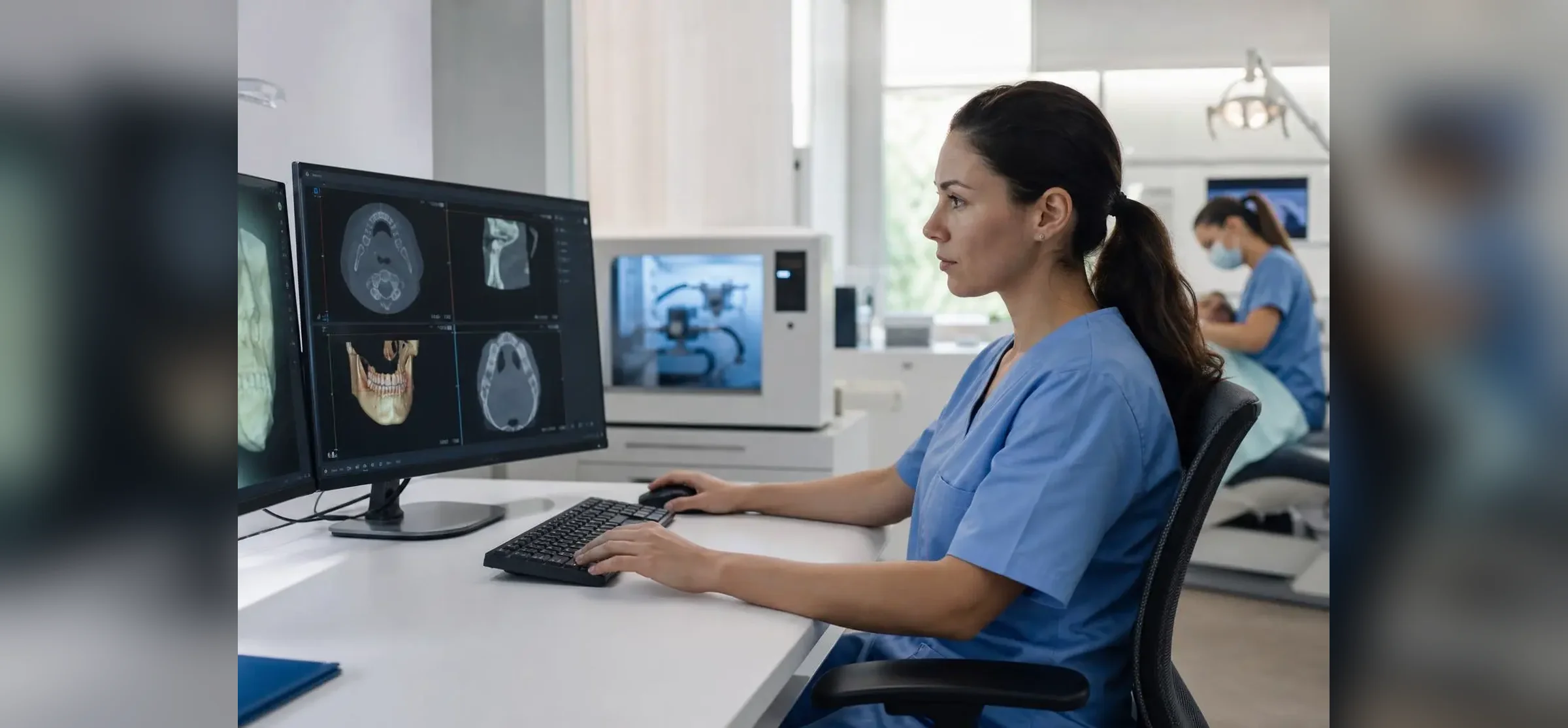
Dental practices rely on a surprisingly complex technology stack. Digital X-ray systems, intraoral cameras, cone-beam CT scanners, practice management software like Dentrix or Eaglesoft, and patient communication platforms all need to work together without hiccups. When the imaging software crashes mid-appointment, the entire schedule backs up.
A managed IT provider with dental experience knows these systems intimately. They ensure that imaging hardware is compatible with the practice management platform, that image files are stored and backed up in HIPAA-compliant formats, and that network bandwidth can handle the large file sizes generated by 3D imaging. They also manage software updates carefully, testing patches in a staging environment before deploying them to production systems. Anyone who's had a Dentrix update break their imaging integration knows why this matters.
Telehealth usage stabilized after its pandemic-era spike, but it remains a core service for most healthcare practices in 2026. Patients expect it, insurers reimburse it, and clinicians appreciate the flexibility. But telehealth platforms need to be HIPAA-compliant, reliable, and integrated with the practice's EHR system so that visit notes, prescriptions, and billing flow automatically.
Managed IT teams handle the full telehealth stack: platform selection, configuration, EHR integration, and ongoing performance monitoring. They also ensure that remote clinicians working from home have secure VPN connections, encrypted devices, and proper access controls. EHR accessibility extends beyond telehealth too. Providers need fast, reliable access to patient records whether they're in the office, at a hospital, or reviewing charts from home at 10 PM. That requires careful network design and identity management that a generalist IT person rarely gets right.
Healthcare organizations are targeted by cyberattacks more than any other industry. In 2025, the sector accounted for 32% of all ransomware attacks in the United States. Waiting for something to break before responding is not a viable strategy.
Managed IT providers deploy security operations center monitoring that watches network traffic around the clock. They use endpoint detection and response tools that can identify suspicious behavior, like a workstation suddenly encrypting files at 2 AM, and isolate the affected machine before the attack spreads. Intrusion detection systems, SIEM platforms, and automated alerting create multiple layers of defense. The goal is to catch threats in minutes, not days.
Backups are only useful if they actually work when you need them. Too many practices discover their backup system failed only after a disaster strikes. Managed IT services include automated cloud backups with regular integrity testing: meaning someone actually verifies that the backup data can be restored, not just that a backup job completed.
Recovery time objectives matter enormously in healthcare settings. A dental practice might tolerate four hours of downtime. A hospital cannot. Managed IT providers design disaster recovery plans around each client's specific tolerance for downtime and data loss, then test those plans at least twice a year. They also maintain offsite backup copies in geographically separate data centers to protect against regional disasters like hurricanes or power grid failures.
The organizations that thrive over the next five years will be the ones that treat IT as a strategic investment rather than a cost center. Technology in healthcare, dental, and biotech is only getting more complex: AI-assisted diagnostics, real-time patient monitoring, precision medicine platforms, and increasingly sophisticated cyber threats all demand IT infrastructure that can grow and adapt.
Managed IT services built for these industries provide that flexibility. Adding a new office location, onboarding 20 new employees, or deploying a new EHR system shouldn't require rebuilding your infrastructure from scratch. The right managed IT partner plans for growth from day one, building systems that can expand without creating security gaps or compliance headaches.
If your practice or lab is still relying on break-fix IT support or a single overwhelmed technician, the risk you're carrying is probably bigger than you realize. Start by auditing your current IT setup against HIPAA requirements and your actual operational needs. Then have an honest conversation with a managed IT provider who specializes in your industry. The cost of proactive managed services is almost always less than the cost of a single serious incident, and the peace of mind is worth even more.
Click here or call (760) 388-2469 to book your Discovery Call.
Because the best time to address problems had always been before they turned into emergencies.