


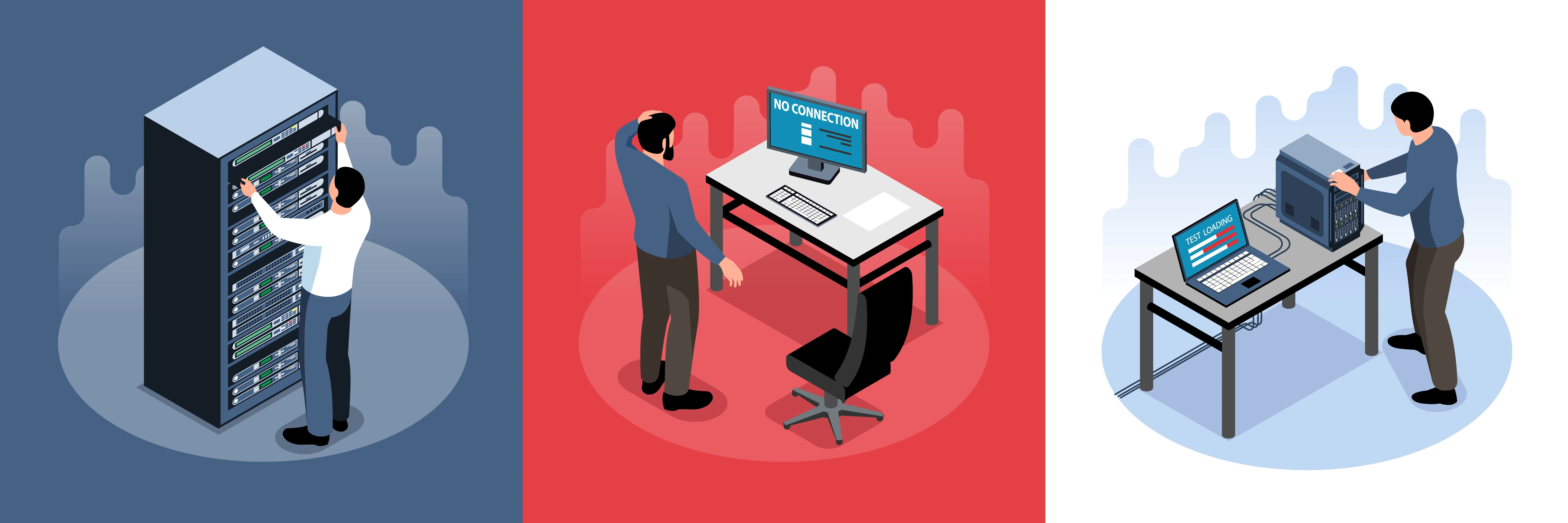
Managed IT services provide ongoing monitoring, maintenance, cybersecurity, and technical support for a company’s technology environment. Instead of waiting for a system to fail, a managed IT provider works proactively to identify issues, maintain systems, support employees, and improve reliability.
V.I. Experts acts as a dedicated IT department for businesses that need dependable technology, responsive support, integrated security, and compliance readiness.
Reactive IT starts when something breaks. A user cannot log in, an application stops working, a device becomes infected, or a network outage interrupts operations. The business then pays the cost of downtime while the problem is diagnosed.
Managed IT changes the operating model. Systems are monitored, updates are planned, vulnerabilities are addressed, support is available, and recurring issues can be identified before they become major disruptions.
The goal is not to prevent every problem. The goal is to reduce avoidable problems, respond faster, and create a more predictable technology environment.
Monitoring can help identify device problems, service interruptions, unusual activity, capacity issues, and other warning signs. A provider should explain what is monitored, how alerts are handled, and how urgent issues are escalated.
Regular maintenance may include updates, patching, configuration reviews, device management, backup checks, and performance improvements. Preventive work helps reduce the number of avoidable failures.
Employees need a reliable way to get help with access, devices, applications, and common technical issues. Support should be responsive, documented, and aligned with business priorities.
Security should be integrated into managed IT services, not treated as an optional add-on. Controls may include endpoint protection, account security, vulnerability management, monitoring, email protection, backup practices, and security awareness.
As businesses adopt cloud applications, remote work, and distributed systems, IT management must account for identities, integrations, devices, connectivity, data, and vendor relationships.
Businesses may need to support HIPAA, CMMC, NIST, customer requirements, or general cybersecurity expectations. A managed IT provider can help maintain technical controls and documentation, but the business remains responsible for determining which obligations apply.
Use this checklist when comparing providers:
1.Service scope: What systems, users, devices, applications, and locations are covered?
2.Response model: How are support requests submitted, prioritized, and escalated?
3.Monitoring: What is monitored continuously, and who responds to alerts?
4.Security: Which cybersecurity controls are included, and which are separate?
5.Backups: How are backups protected, tested, and restored?
6.Documentation: Will the provider maintain asset, configuration, access, and incident records?
7.Scalability: Can the service support new employees, locations, cloud systems, and applications?
8.Business continuity: How does the provider help during outages or security incidents?
9.Communication: Who is the account owner, and how are reviews conducted?
10.Strategic value: Will the provider help the business plan technology investments, not only fix problems?
Proactive monitoring and maintenance can help identify issues before they affect employees and customers.
Responsive support reduces the time employees spend waiting for technical assistance or working around broken systems.
A managed approach creates repeatable processes for updates, access, endpoint protection, monitoring, and response.
A growing business can add people, locations, and applications without reinventing its IT operating model every time.
Regular reviews and documented priorities help leadership make better technology decisions and plan investments.
A business cannot separate reliability from security. An unpatched endpoint can become a security problem. A compromised account can create downtime. An unavailable backup can lengthen recovery.
CISA provides cybersecurity resources for small and medium-sized businesses, including guidance on protecting people, customers, intellectual property, and sensitive data. Managed IT can help turn these practices into repeatable operations that are monitored and maintained.
No. Managed IT can be useful for small and medium-sized businesses that need dependable support, cybersecurity, and technical planning without building a large internal IT department.
It can, but it does not have to. A provider may operate as the primary IT department or work alongside an internal team through co-managed support.
It can. The exact scope varies by provider, so ask whether endpoint protection, monitoring, vulnerability management, email security, backups, and incident response support are included.
A provider can help implement and maintain technical controls, documentation, and monitoring that support applicable requirements. Compliance responsibility remains with the organization and should be evaluated against its contracts and regulations.
V.I. Experts provides Managed IT services that include proactive monitoring, helpdesk support, cybersecurity, compliance readiness, maintenance, and scalable technology support. The service is designed to help businesses focus on growth while their technology environment is managed with greater consistency.
Managed IT services give growing businesses a way to move from emergency fixes to proactive technology management. The right provider can help reduce downtime, support employees, improve security, prepare for compliance needs, and scale IT as the business changes.
Ready to move beyond reactive IT? Contact V.I. Experts to discuss Managed IT services for your business.