

Labor Day is a time to recognize the contributions and achievements of American workers. The U.S. Department of Labor describes the holiday as an annual celebration of the social and economic achievements of American workers.
For businesses, that celebration offers an important reminder. Every successful organization depends on people who show up, solve problems, serve customers, manage operations, and keep the business moving forward. Those people also depend on reliable and secure technology.
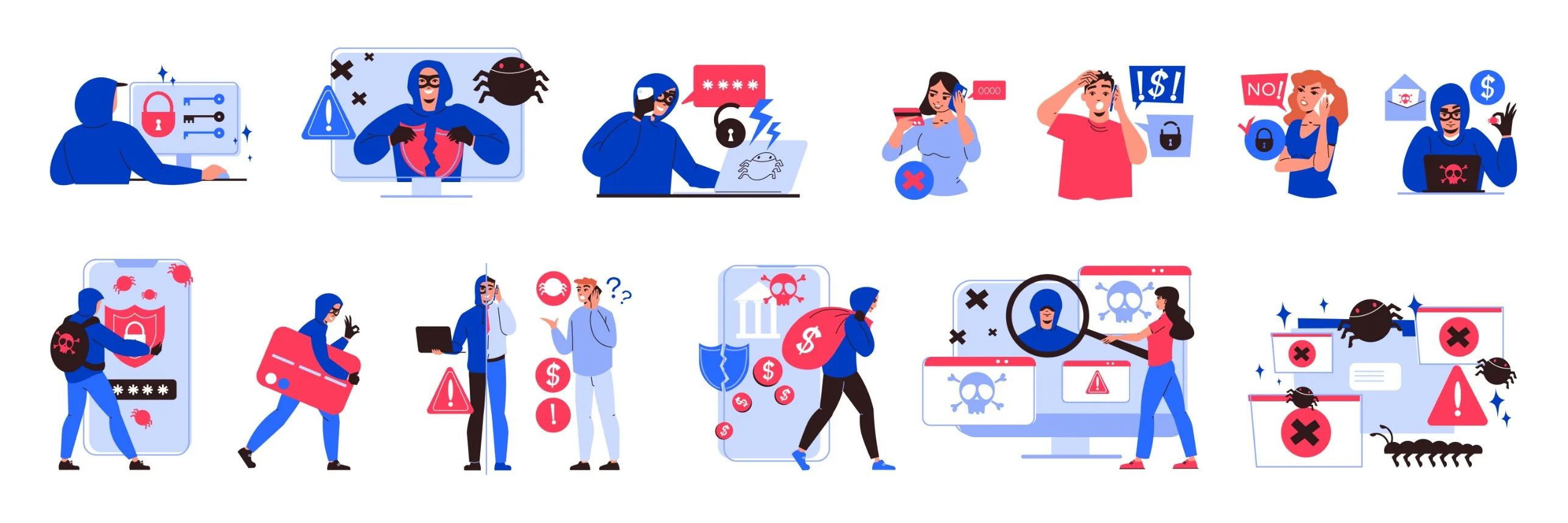
A cybersecurity incident can interrupt the work of an entire team. A phishing email can expose an employee's credentials. Ransomware can prevent access to critical systems. Malware can spread across devices. A vulnerability can create an opening for attackers and lead to data loss, downtime, financial damage, and lost trust.
This Labor Day, protecting your workforce also means protecting the systems and information they use every day.
Employees are often the public face of a company, but much of their work depends on systems operating behind the scenes. Customer records, financial information, project files, email, cloud applications, production systems, and communication tools all support daily operations.
When those systems are unavailable or compromised, employees may be unable to do their jobs. Customers may experience delays. Leaders may need to redirect resources toward recovery instead of growth.
Cybersecurity is therefore more than an IT concern. It is part of protecting the time, effort, expertise, and trust that workers contribute to the organization.
Use the holiday as an opportunity to review a few foundational security practices. These actions will not eliminate every risk, but they can help strengthen your organization's readiness.
Review user accounts, administrative privileges, and authentication practices. Remove accounts that are no longer needed and use multifactor authentication wherever it is available. Strong account security can reduce the impact of stolen or guessed credentials.
Security updates and patches address weaknesses that attackers may exploit. Establish a process for applying updates to operating systems, applications, network equipment, and endpoint devices.
Employees should know how to recognize suspicious messages and how to report them. Security awareness is most effective when reporting is encouraged and the process is simple.
Backups can help an organization recover from ransomware, equipment failure, accidental deletion, and other disruptions. Backups should be protected from unauthorized access and tested regularly to confirm that critical information can be restored.
Identify where the organization stores patient records, financial data, client files, proprietary information, and other sensitive material. Confirm that access is limited to people who need the information to perform their jobs.
Employees and leaders should know what to do when a security incident occurs. Define who receives the initial report, who makes decisions, how systems are contained, how customers are notified when necessary, and how operations are restored.
Cybersecurity is strongest when multiple protections work together. A business should not rely on one product or one employee to stop every threat.
A layered approach may include:
•Endpoint protection for computers and mobile devices
•Email security to reduce phishing and malicious attachments
•Multifactor authentication and access controls
•Vulnerability management and security updates
•Continuous monitoring and threat detection
•Employee security awareness
•Data protection and backup practices
•Incident response and recovery planning
CISA identifies phishing, ransomware, and malware as common cyber threats and provides resources to help organizations protect against and respond to them. V.I. Experts uses layered defenses, threat monitoring, endpoint security, and proactive security strategies to help businesses prepare before an attack happens.
Employees should not be expected to identify every threat without support. They need secure tools, clear policies, reliable systems, and a simple process for reporting suspicious activity.
Security teams and IT partners also need visibility into the environment. They should be able to identify unusual activity, investigate alerts, manage vulnerabilities, and help leadership understand the organization's most important risks.
This shared responsibility creates a stronger workplace. Employees become part of the security program without being left to manage cybersecurity alone.
Many organizations must meet cybersecurity requirements related to their industry, customers, or government contracts. These may include HIPAA, CMMC, NIST, and other standards.
Compliance work can help clarify how data is protected, who has access, how incidents are handled, what evidence is maintained, and which controls need improvement. When implemented thoughtfully, these requirements can strengthen everyday security for the people who depend on the organization's systems.
NIST Cybersecurity Framework 2.0 organizes cybersecurity outcomes through Govern, Identify, Protect, Detect, Respond, and Recover. These functions provide a practical way for organizations to connect cybersecurity activities to business readiness.
Before employees return from a holiday break, leadership can ask five practical questions:
1.Which systems must be available for the business to operate?
2.Which data would create the greatest harm if it were lost or exposed?
3.Which accounts, devices, or applications require stronger protection?
4.How would we know if suspicious activity were occurring?
5.Who would lead the response if a serious incident happened tomorrow?
The answers can reveal where the organization is prepared and where it needs additional support.
V.I. Experts provides cybersecurity solutions designed to protect systems, people, and business reputation. Services include endpoint protection, threat detection, vulnerability management, security monitoring, compliance support, and proactive security planning.
The goal is to help businesses build security into daily operations so employees can focus on their work with greater confidence. A strong security program supports continuity, protects sensitive information, and gives leadership a clearer view of risk.
Labor Day honors the people whose work keeps businesses, communities, and the economy moving. Protecting that work requires more than appreciation. It requires reliable systems, secure information, and preparation for the threats that can interrupt operations.
This Labor Day, take a moment to recognize your workforce and review the cybersecurity protections that support them. The best time to strengthen your security posture is before an incident forces your team to stop working.
Ready to protect the people and systems that keep your business moving? Contact V.I. Experts to discuss a practical cybersecurity strategy.