

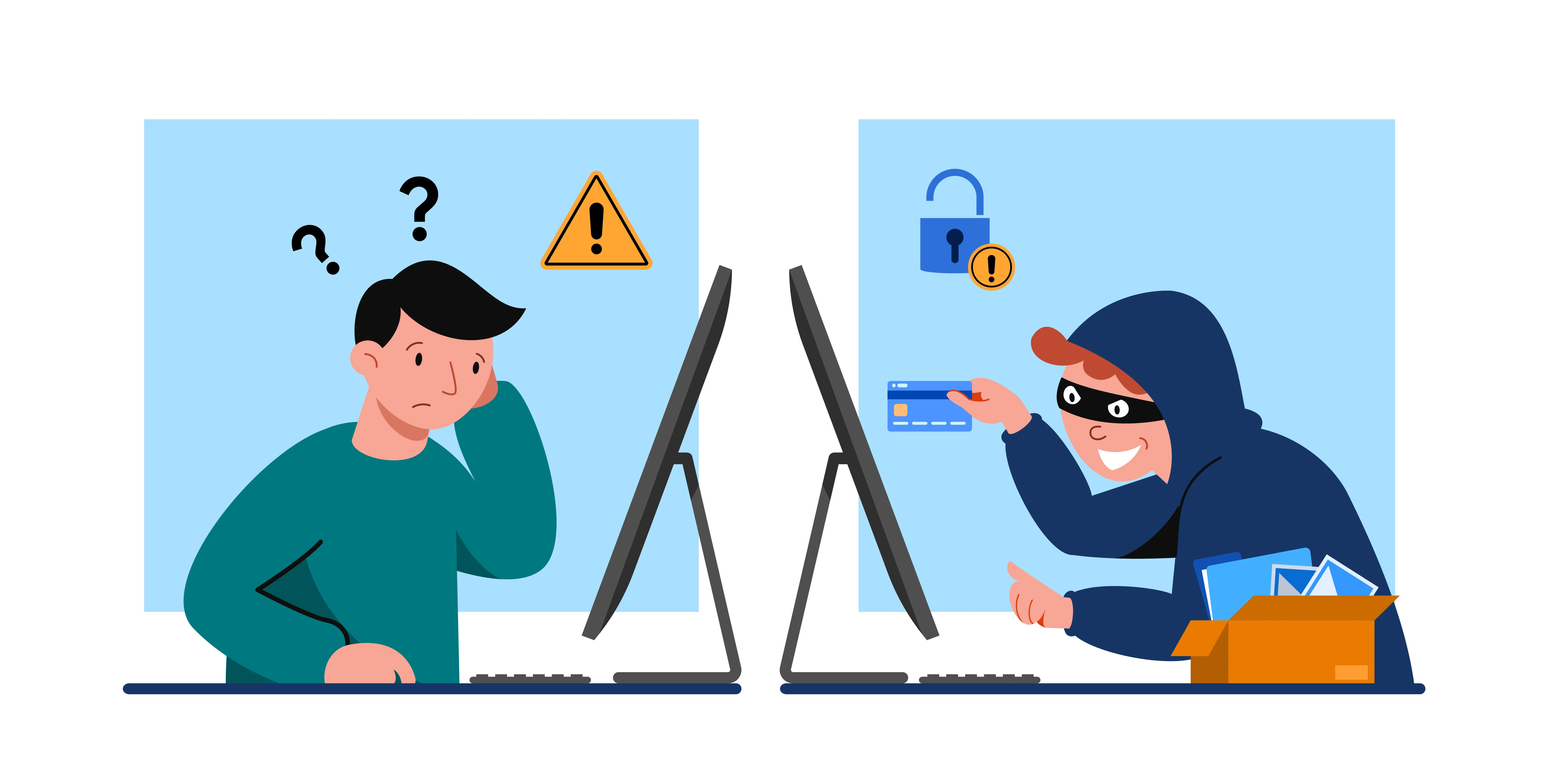
Cyber threats do not discriminate by industry or company size. A small business can face the same ransomware, phishing, malware, and data theft risks as a large enterprise, but usually with fewer internal resources to prevent, detect, and recover from an incident.
That is why cybersecurity should not be treated as a last-minute technology purchase. It should be built into daily operations through layered protection, continuous monitoring, employee awareness, and a clear plan for meeting the compliance requirements that apply to your organization.
V.I. Experts provides comprehensive cybersecurity solutions designed to protect your systems, your people, and your reputation. From endpoint protection and threat detection to vulnerability management, security monitoring, HIPAA support, CMMC support, and NIST guidance, the goal is to help your business prepare before an attack happens.
Many small and medium-sized businesses assume that attackers only target large organizations. In reality, smaller companies are frequently targeted because they may have fewer security resources, limited visibility into their systems, and less time to respond to warning signs. The Cybersecurity and Infrastructure Security Agency identifies phishing, ransomware, passwords, multifactor authentication, and software updates as key areas for small businesses to address .
A proactive strategy helps reduce the likelihood and impact of an incident. It also gives leadership a clearer understanding of which systems contain sensitive information, which users have access to those systems, and which security improvements should be prioritized first.
Ransomware, phishing, and malware continue to evolve. No single security tool can stop every threat, so businesses need layers that work together. Endpoint protection, email security, continuous monitoring, user awareness training, vulnerability management, and proactive detection create multiple opportunities to block or contain an attack.
CISA describes malware, phishing, and ransomware as common cyberattack methods and provides guidance to help organizations protect against and respond to them . A layered approach follows the same principle: reduce exposure, detect suspicious activity quickly, and maintain the ability to respond when prevention is not enough.
Every business has information worth protecting. This may include patient records, client files, financial information, employee data, intellectual property, or government contract information. The first step is understanding where sensitive data is stored, how it moves through the organization, and who needs access to it.
From there, security controls can be aligned with the sensitivity of the information. Access should be limited to authorized users, systems should be monitored for unusual activity, and critical information should be protected through appropriate backup, encryption, and recovery practices.
Many organizations have vulnerabilities they do not know about. Unpatched software, outdated devices, excessive user permissions, misconfigured cloud services, and incomplete security policies can create openings for attackers.
A cybersecurity assessment helps identify these weaknesses before an attacker finds them. V.I. Experts can evaluate the current environment, identify priorities, and recommend practical improvements that fit the organization's size, risk profile, budget, and compliance obligations.
Compliance frameworks are not simply paperwork exercises. HIPAA, CMMC, NIST, and other standards provide structured ways to protect sensitive information and manage cybersecurity risk.
For healthcare organizations, the HIPAA Security Rule establishes administrative, physical, and technical safeguards for protecting electronic protected health information . For defense contractors, CMMC requirements are designed to protect Federal Contract Information and Controlled Unclassified Information. Organizations that handle regulated or contract-sensitive data need security practices that are documented, implemented, monitored, and maintained.
Many businesses need security expertise but cannot justify the cost of hiring and retaining a complete internal cybersecurity department. A specialized partner can provide access to security knowledge, monitoring capabilities, compliance support, and strategic guidance without requiring the overhead of a large in-house team.
This model is especially valuable for organizations that are growing, preparing for an assessment, handling sensitive data, or responding to new cybersecurity risks. The right partner becomes an extension of the business rather than another disconnected technology vendor.
Technology alone cannot create a secure organization. Employees must understand how to recognize suspicious messages, report potential incidents, use multifactor authentication, and handle sensitive data appropriately. Leaders must establish policies and make security part of operational decision-making.
Security also needs to evolve as the business changes. New employees, cloud applications, vendors, remote work arrangements, and expanding customer requirements can all change the organization's risk profile. Continuous monitoring and periodic reviews help ensure that security controls remain effective over time.
Businesses often delay cybersecurity improvements because they do not know where to begin. A practical starting point is a structured review of the current environment. This review should identify sensitive data, important systems, user access, existing controls, known vulnerabilities, compliance obligations, and gaps in documentation.
The results can then be organized into a prioritized roadmap. Critical weaknesses should be addressed first, followed by improvements that strengthen resilience, support compliance, and reduce operational risk. This approach is more effective than buying disconnected tools without a clear understanding of how they fit together.
V.I. Experts delivers cybersecurity solutions designed around the needs of each organization. Services include endpoint protection, threat detection, vulnerability management, security monitoring, compliance support, and proactive security strategies.
The team can also help organizations align their security programs with frameworks such as HIPAA, CMMC, NIST, and other applicable requirements. For defense contractors, this may include CMMC readiness support and ongoing guidance. For businesses with limited internal IT resources, it provides access to cybersecurity expertise without the cost of building a full internal security team.
The most important cybersecurity question is not whether your business will be targeted. The more useful question is whether your organization will be ready when a threat appears.
A strong cybersecurity program protects more than computers. It protects sensitive information, business continuity, customer trust, regulatory standing, and the reputation your organization has worked to build. By combining layered protection, continuous monitoring, employee awareness, vulnerability management, and compliance support, small and medium-sized businesses can build a stronger security posture without unnecessary complexity.
Ready to strengthen your cybersecurity strategy? Click Here to contact V.I. Experts to schedule a discovery call and learn how a practical, proactive security program can protect your business.